
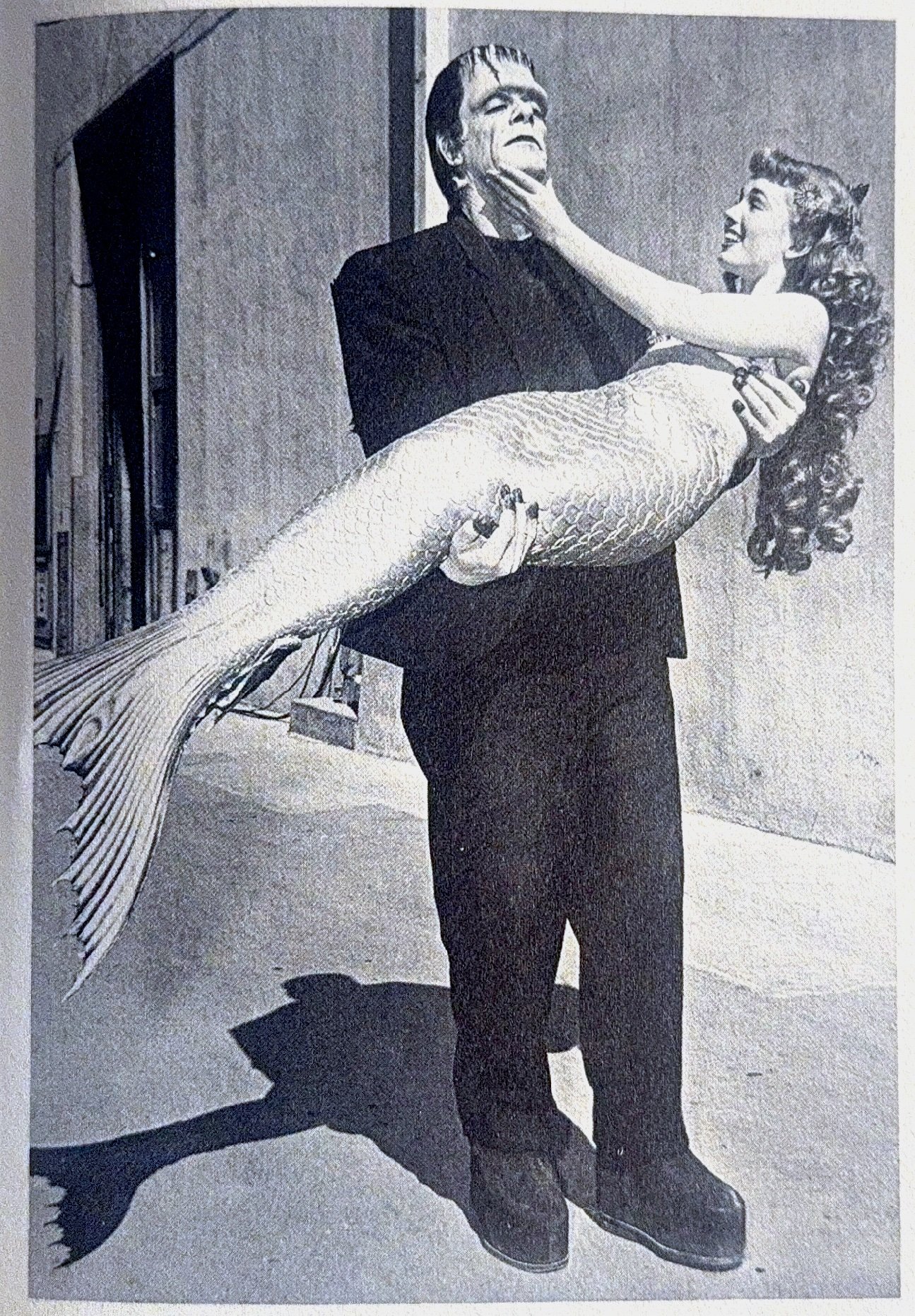
FRANKENSTEIN
Frankenstein can be read as a cautionary tale about ‘not falling in love with potential’. In Mary Shelley’s 1818 Gothic novel, the monster is nameless. Frankenstein is the Swiss doctor’s surname, the monster’s maker; for our purposes, he is a junior. Frankenstein, a reanimated corpse, is an amalgamation of body parts from graves, slaughterhouses, and dissecting rooms. Dr. Frankenstein selected his parts, hoping to create ‘a perfect man’. Dr Frankenstein even explains,
“I had selected his features as beautiful. Beautiful! Great God! His yellow skin scarcely covered the work of muscles and arteries beneath; his hair was of a lustrous black, and flowing; his teeth of a pearly whiteness; but these luxuriances only formed a more horrid contrast with his watery eyes, that seemed almost of the same colour as the dun-white sockets in which they were set, his shrivelled complexion and straight black lips.”
With all this trauma and rejection, can we really blame him for going on a murderous campaign in vengeance? Still, Frankenstein is a lonely ‘man’ looking for companionship, someone who can accept him for who he is, bolts and all.